
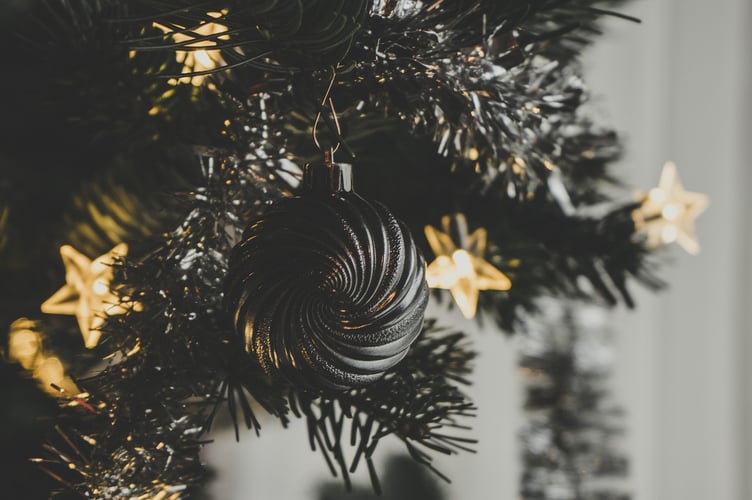
CHRISTMAS is nearly here and that means putting a Christmas tree up is a staple piece over the festive period, however there can be safety risks and High Speed Training have shared how you can stay safe to enjoy the season.
When it comes to where to put a Christmas tree, it’s important that your tree comfortably fits the intended space. A large Christmas tree can take up too much room creating access issues, impeding movement and causing potential hazards. You should make sure that your tree fits the space you have in mind and consider moving it to a different room or trimming some of the branches if it is too big.
Avoid placing your tree next to a heat source such as radiators or fireplaces. Heat can cause real trees to dry out quickly, increasing their fire risk and reducing their longevity. It is advised to keep your tree at least three feet away from a heat source.
Fairy lights can be the perfect finishing touches to your tree. Place your tree close enough to a socket to avoid trailing cables across the floor, but far enough away to reduce the risk of fire from any sparks. Your Christmas tree may have multiple decorations that need to be plugged in but remember overloading sockets can be dangerous.


In order to use your plug sockets safely:
- Only use one extension lead per socket
- Avoid ‘daisy chaining’ or plugging one extension into another
- Check the wattage of each decoration/ appliance in use
- Reguarly inspect sockets for signs of overheating (i.e scorch marks)
Through traditional symbols of the season, Christmas trees are essentially gigantic pieces of kindling, and there is an undeniable risk of them catching fire. A common cause of Christmas tree fires is dried-out trees. Contrary to popular belief a Christmas tree cannot catch fire by itself, but a single spark can cause a dry tree to go up in flames within seconds, spreading to furniture, walls and carpets in a matter of minutes. It is therefore important to keep your tree well-watered.
Forestry England advises keeping your Christmas tree in water at all times, so choose a sturdy stand that can hold a large amount of water. Don’t forget to regularly check your tree’s water levels since Christmas trees can drink a whopping two to three pints of water a day.
It is also advisable to give your trunk a trim off about half an inch once you bring it home to help it better absorb water.
Despite being less flammable than real trees, artificial trees are still vulnerable to fire, so if you are buying an artificial tree, aim to buy a fire retardant/ resistant one. However, be mindful as fire retardant compounds can wear off over time, so if your tree has been knocking around in the lofts for a few years, it might be time for something new.
Dust build-ups can also increase flammability, so clean your artificial tree before using and before storage.
To reduce the risk of a fire:
- Check for visible damage such as frayed wires, check the fuses, and replace any blown bulbs.
- Try to plug your lights directly into the plug socket rather than an extension cord but be careful not to overload the socket.
- Don’t leave the lights plugged in for an extended period of time; if you are forgetful, get a timer that will automatically switch your lights off.
- Ensure the lights that you use have a CE mark to show that they comply with European safety standards.
- Only use indoor lights inside and outside lights.
Christmas is a time of wonder, excitement, and joy for many, giving people a chance to reconnect with loved ones and share the spirit of the season. The best festive season is a safe one and by taking a few precautionary steps you can ensure you and your family enjoy the season safely.
Comments
This article has no comments yet. Be the first to leave a comment.