

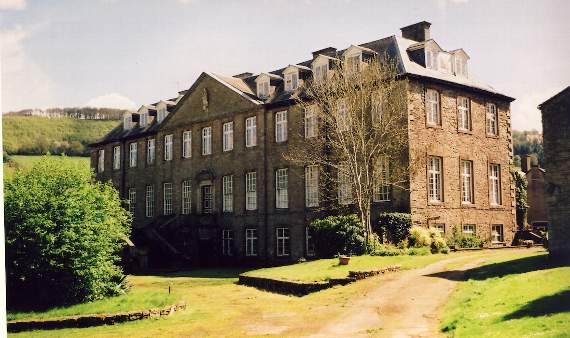
A PROPOSED protected species survey for Troy House has been called in to question following concern that the decision “did not adequately explain why the Monmouthshire County Council (MCC) should pay the fee for the developer”.
Troy House is a 17th Century building which has had several uses over the years. The Grade Two* style listing recognises especially important buildings. The former convent, once owned by Gwent County Council before the authority was broken up in 1996, is listed as an exceptionally fine county house with notable features in the interior.
An ongoing 2008 planning application by Timbershore Ltd on behalf of present owner Peter Carroll proposed to convert the building into an apartment block and to build other flats on the estate. The decision to fund the survey was passed last month by cabinet member for environment, public services and housing, Councillor Giles Howard.
However, County Cllr David Dovey’s proposal has gained support to refer the matter back to Cabinet today (Wednesday 4th November) for re-consideration as the reasons why MCC should pay for the statutory survey.




Protected species surveys are essential for any planning application to be progressed and it was felt that the council’s offer to meet this cost was a pragmatic response to make progress on the complicated but important site in the interests of saving and restoring the building.
Minutes of the special meeting of Strong Communities Select Committee said the application had been with the council since 2008, meanwhile the building is deteriorating and if work does not progress soon the council could step in with enforcement action and take steps to compulsory purchase. In this case, legal costs and undertaking specialist repair work would be dramatically more than the £9,665 for the survey, which would have to take place.
Reasons given for the call-in included the improper use of public money, poor value for taxpayers, paying for a private individual to then develop the land along with concerns that the money would be better spent elsewhere.
Comments
This article has no comments yet. Be the first to leave a comment.