
MORE than 3,000 patients across Gwent are likely to have to wait more than two years for some surgeries over the next year.
The figure, which would represent a failure to meet Welsh Government set waiting list targets, is included in the Aneurin Bevan University Health Board’s annual plan for NHS services in Gwent over the coming year.
This year the health board had just 434 patients waiting more than two years, but says it cannot sustain those “low numbers” without additional money.
Health chiefs acknowledged the Aneurin Bevan board’s stretched financial position, and its expectation it will finish the 2026/27 financial year £43.7 million in the red, means it will be unable to meet all government set targets.


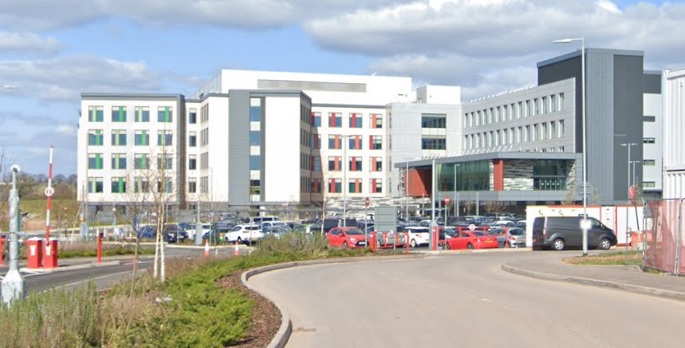
Hannah Evans, the director of planning, said it is concentrating on steps to improve urgent and emergency care after the Welsh Government moved the board up its escalation process, in December, stating it required improvement in the emergency department at Cwmbran’s Grange Hospital and the board’s financial management.
Members approved the annual plan at the March 25 meeting and Ms Evans told them: “It’s really important as a board we are clear going into the next year what our priorities are, the commitments and realise the implications of that.”
But she said progress on reducing two year, or 104 week, waits for some surgeries couldn’t be maintained due to financial pressures with reductions achieved in the outgoing financial year due to one off, or non-recurrent, funding.
“The 104 week waiting time is one of the most significant” of the government set targets unlikely be achieved said Ms Evans.
“Significant progress was made this year was largely down to non-recurrent national funding and we’re not able to maintain that pace without additional funding.”
Ms Evans said around 1,400 of those patients likely to wait more than two years will be for orthopaedics. Other areas impacted include ear, nose and throat, general surgery, maxillo-facial and ophthalmology.
She said: “We know we must continue work to improve that and it’s not acceptable to have patients waiting that long.”
The plan does commit the board to meeting the target that 75 per cent of people should be discharged or start their first definitive treatment within 62 days at which their cancer was suspected. In the current year the figure achieved was 55.9 per cent.
The board is also committed to reducing the backlog of patients waiting more than 62 days by end of March 2027.
It also aims to reach the target no patients are waiting more than eight weeks for a specified diagnostic by March next year, with the current figure standing at 2,387.
The plan acknowledges the target that no ambulance waits more than 45 minutes to hand over a patient, and no patient spends 12 hours or more in major and minor emergency care centres, from arrival until admission, transfer or discharge, will be missed.
Overall the plan expects to meet 16 of the 20 Welsh Government targets.
Comments
We've recently changed our login process. If you have an account for commenting, you will need to re-register on the login window.
This article has no comments yet. Be the first to leave a comment.