

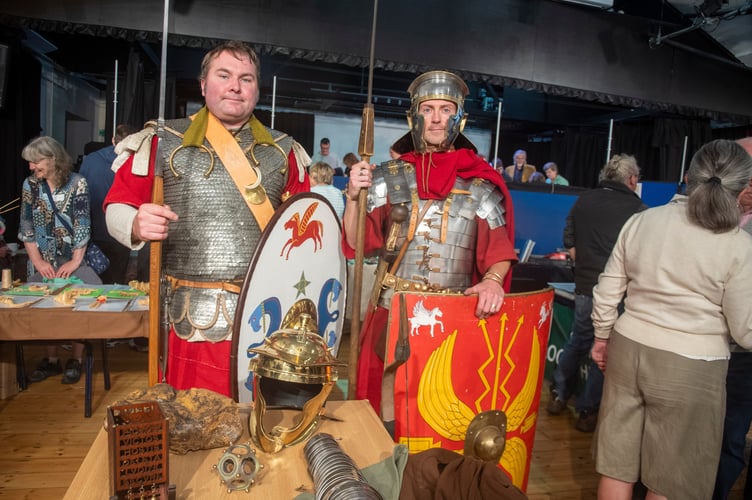
A PAIR of Roman legionaries and copies of panels from the Bayeux Tapestry – which is currently on view at the British Museum – were among displays at a Wye Valley society’s 30th anniversary “archaeology fair”.
The Chepstow Archaeological Society fair at the town’s Drill Hall also included historical finds from across Monmouthshire and the Forest, and gave those attending the opportunity to try out tile making and speak to a professional archaeologist.
Just yards away from Chepstow Castle - the Normans’ first stone-built castle in the UK – embroiderer and medieval history specialist Rebecca Tyson demonstrated her techniques working on a Bayeax Tapestry panel showing William the Conqueror crossing the English Channel, alongside a completed one of Harold being hit in the eye at the Battle of Hastings.
There was also a talk about the society’s investigation of the Roman bridge across the Wye in Chepstow by Newnham-based Professor Mark Horton, who is known for television appearances on programmes such as Coast.
Archaeological Society chairman Simon Maddison said: “We've got quite a revitalised society and we're doing a lot of field work now, like the Roman crossing of the Wye.
“It’s the society's 30th anniversary this year and we wanted to put an event on to mark the occasion.
“We've got somebody doing some embroidery in the style of the Bayeux Tapestry, there’s copper engraving and we've got the Young Archaeologists’ Club.
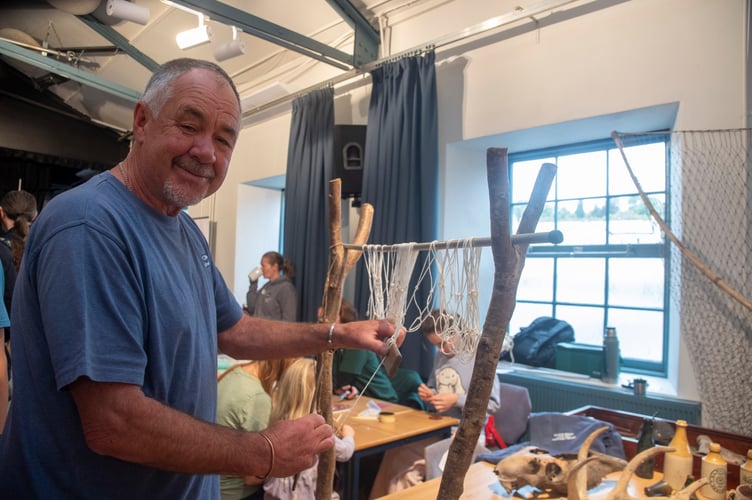
“We've got spinning and weaving, clay pipe making and mediaeval tile making.
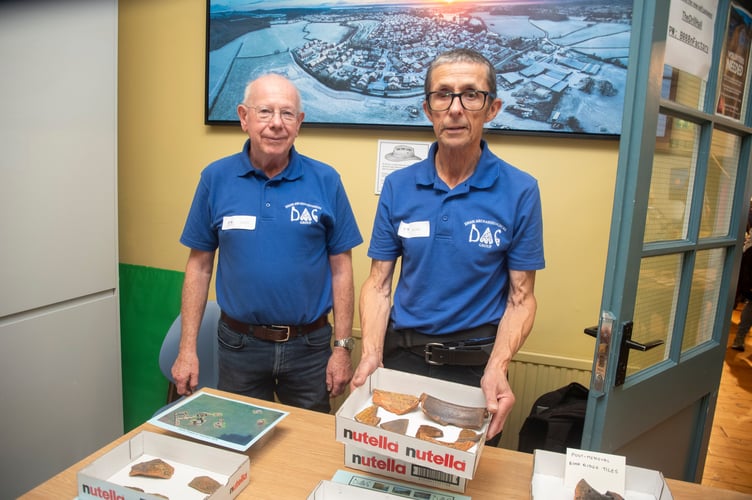
“There were also historical societies present like the Tidenham History Group, the Dean Archeology Group, the Monmouthshire Antiquarians and the Chepstow Society, and pottery collections.”
Professional archeologist Katie Churchill of Churchill Archeology, who has overseen owrk on the Buckholt Woods near Monmouth, was also in attendance.


“The idea is to tell people what we're doing, to celebrate what we're doing and to get people interested in what we're doing, particularly children and young people
On the discovery of the Roman crossing, he said: “We have timber footings for the bridge on both sides of the river and dating in the first century AD.”
Comments
We've recently changed our login process. If you have an account for commenting, you will need to re-register on the login window.
This article has no comments yet. Be the first to leave a comment.