
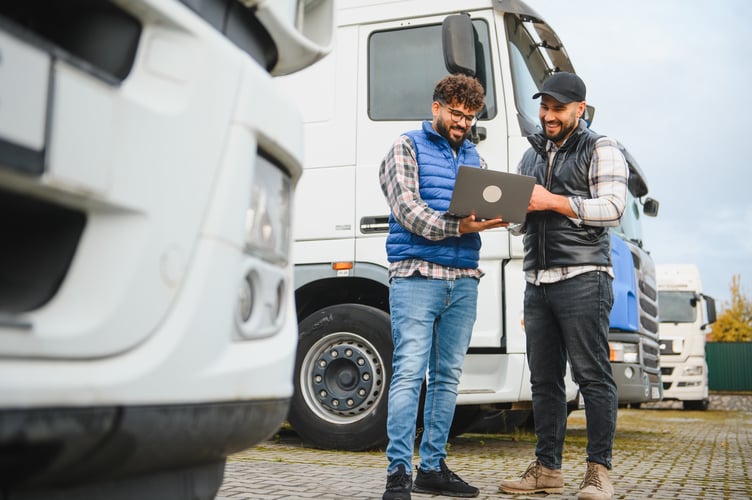
These days, for most businesses in the UK, and particularly in rural and regional areas like Monmouthshire, maintaining a competitive edge means making the best of things.
Fuel and energy costs are going up, spending is coming down, people expect more. Whether you run a delivery operation, a trades business or are part of a regional supply chain, you’re the kind of business owner who now has to find the best way to run their business.
Why Efficiency Matters More Than Ever
In a small town, an organisation’s news or mismanagement takes no time to reach the other side of the village. Late deliveries, postponed appointments, or services delivered unequally to the clients can directly reflect on the organisation. On the other hand, companies overlook managing costs to achieve profitability. This realisation has recently made a lot of companies tighten their belts to look for more efficient route planning, reduce the time spent on idling, and use the vehicles more efficiently.

.jpeg?width=209&height=140&crop=209:145,smart&quality=75)


The Growing Role of Telematics
Technology is playing its part in closing that knowledge gap, too. Telematics systems can provide real-time data on how a fleet is operating, giving fast insight to fleet operators. By managing their fleet in this way, a company may not only use a reliable fleet tracker to see where vehicles are travelling, but also to improve routes and understand driver behaviour.
This goes beyond where vehicles are being moved. A system can identify where, say, trucks are sitting idle for too long, where the driving routes being chosen are not the most fuel efficient, and where it’s costing money in wear and tear. When they find out more through telematics, fleets can make decisions on where to cut expenses, which can lead to reduced costs and, in the long run, improvements in safety and overall quality of service.
Balancing Technology with Practical Experience
Whilst the technology aspects are obviously important, it’s insightful when combined with experience. A well-driven car (or truck) or route plan from a long-term staff member who understands traffic flows, customer behaviour and the local area combined with telematics, can provide some rich insights and opportunities to learn, reflect and act to improve routines and habits.
For more guidance on how to make your fleet more sustainable and safe, you can read resources such as the Fleet Operator Recognition Scheme (FORS), which offers practical guidance and a way to apply best practice within the fleet sector anywhere in the UK.
Building for the Future
As business pressures remain, those that are able to explore and execute smarter ways of working will be best placed to respond and rebound. If the focus is on efficiency, visibility, and driving continuous improvements, then those organisations with flex-hoc often ‘grey’ fleets will not only get by today, but will be ideally placed to build long-term sustainable growth.
Comments
This article has no comments yet. Be the first to leave a comment.