

LEGAL action is being taken against the two firms that advised the land sale agreements which saw Welsh Government land sold off in a “cavalier” attitude.
It was claimed that the taxpayer lost out on millions of pounds following advice given to the Regeneration Investment Fund for Wales, (RIFW), a Welsh Government offshoot, when 15 parcels of land were disposed of, one of which was at Wonastow Road.
The Welsh Assembly’s Housing and Regeneration Minister Rebecca Evans has announced that Lambert Smith Hampton Group Ltd and Amber Fund Management Limited (AMFL), the firms who advised RIFW, are being sued for breach of contract and professional negligence.
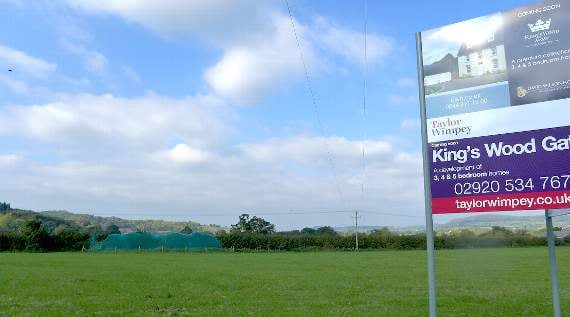
Figures released in 2016 showed that the land at Wonastow, currently the site of the new housing development in town, was sold for £1.1m in 2012, yet the same site was sold on just three years later for £12 million.




The land was originally sold to a Guernsey-based company South Wales Land Developments (SWLD).
Langley Davies, a director of SWLD and former Monmouth School pupil, was accused of “making a killing” on the Regeneration and Investment Fund for Wales (RIFW) sale by a public accounts committee.
But he claimed the Welsh Government was set to benefit from between £4.7m and £5m in future clawback payments, made after the completed sale, from the Monmouth site.
A total of 15 publicly-owned sites were sold in one deal for £21m in 2012 by the RIFW to SWLD, some for £15,000 an acre which the Welsh Audit Office said could have been sold for £2m an acre as it was a prime development site near Cardiff.
A spokesperson for AFML said: “Amber Fund Management Limited (“AFML”) notes the recent announcement made by the Welsh Minister for Housing and Regeneration. AFML will defend any legal proceedings brought against it in relation to the Regeneration Investment Fund for Wales through all legal means necessary and will not hesitate to progress its counterclaims vigorously.”
Carwyn Jones, First Minister of the Welsh Government apologised to AMs in 2016 for the sale, which auditors said should have generated at least £15m more for the taxpayer than it did if the sites were sold in a different way.
Comments
This article has no comments yet. Be the first to leave a comment.