
A comprehensive 20-point action plan and a dedicated £700,000 village defence programme form the backbone of the official response to Storm Claudia, as the devastating personal toll on displaced residents and high-level ministerial visits underline the urgency for action.
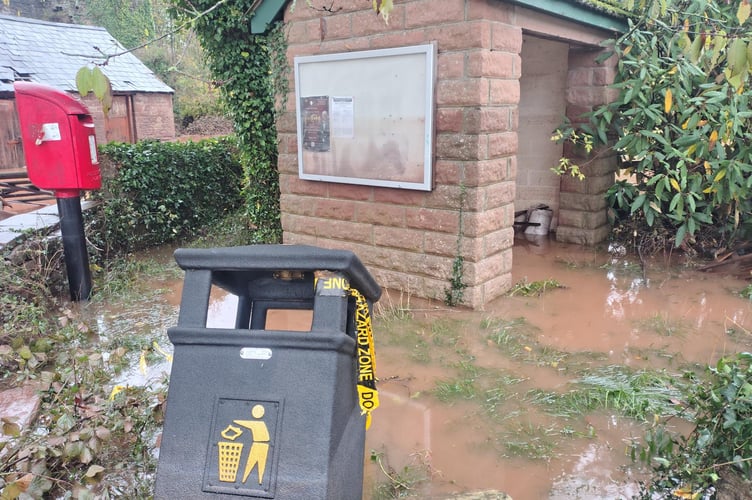
The statutory Section 19 Flood Investigation Report, published by Monmouthshire County Council alongside Natural Resources Wales, assigns 20 formal recommendations across public agencies, landowners, and local communities to address the vulnerabilities exposed when the River Monnow overtopped its banks in November 2025, inundating more than 400 properties across Monmouth, Skenfrith Rockfield, and Osbaston.
The Human Cost
The prolonged disruption highlighted by the inquiry was laid bare this week by the case of Jean Powell, a 95-year-old Monmouth resident who died before ever making it back to her flooded flat.
With no close family nearby, Ms Powell was placed in temporary accommodation at The King’s Head Wetherspoons hotel in Monmouth after her home was ruined. According to BBC News, pub staff cared for her during her extended stay but she passed away before she could return.
First Minister Tours Flood-Hit Neighbourhoods
As the first anniversary of the deluge approaches, Wales's First Minister Rhun ap Iorwerth visited Monmouth this week to meet affected residents on Forge Road and inspect impacted areas, including Osbaston —which previously saw ministerial scrutiny at Osbaston Church in Wales Primary School alongside Forge Road's hard-hit riverside homes. Speaking directly with families still rebuilding a year on, the First Minister acknowledged the lasting trauma of the disaster and pledged renewed focus on long-term community resilience.
(https://www.monmouthshire.gov.uk/2024/11/deputy-first-minister-visits-monmouthshire-following-storm-bert/), [2]


Skenfrith’s £700,000 Lifeline
Upstream in Skenfrith, which has endured four major floods in six years, Natural Resources Wales is advancing an outline business case for a £700,000 capital protection scheme. Following consultations at Skenfrith Village Hall and cross-agency meetings led by Monmouthshire MP Catherine Fookes, engineers are focusing on flood barriers—such as demountable flood gates, reinforced walls, non-return valves, and individual flood doors—designed to counter flood water from both the River Monnow and Norton Brook.
The 20 Recommendations
The recommendations in the Section 19 report centre on four core areas:
• Reassessing Hard Defences. Natural Resources Wales will review the design standards of Monmouth’s town centre barriers, inspect embankments along Scud Brook and Forge Road, and coordinate cross-border resilience with England’s Environment Agency.
• Property-Level Protection. Alongside Skenfrith’s dedicated scheme, agencies will seek funding for individual resilience measures—such as flood barriers and sump pumps—for exposed homes on Forge Road, Rockfield, Over Monnow, and Osbaston.
• Overhauling Flood Alerts. Authorities will recalibrate river-level triggers and upgrade Wales’s Flood Warning Information Service so severe warnings are issued well before defences are breached
• Slowing the Flow. Through the Resilient Rivers Monnow Project, the council, Natural Resources Wales, Network Rail, and the Wye and Usk Foundation will partner with upstream farmers to install leaky dams, restore soil storage, and plant trees to delay peak runoff.
Comments
We've recently changed our login process. If you have an account for commenting, you will need to re-register on the login window.
This article has no comments yet. Be the first to leave a comment.