

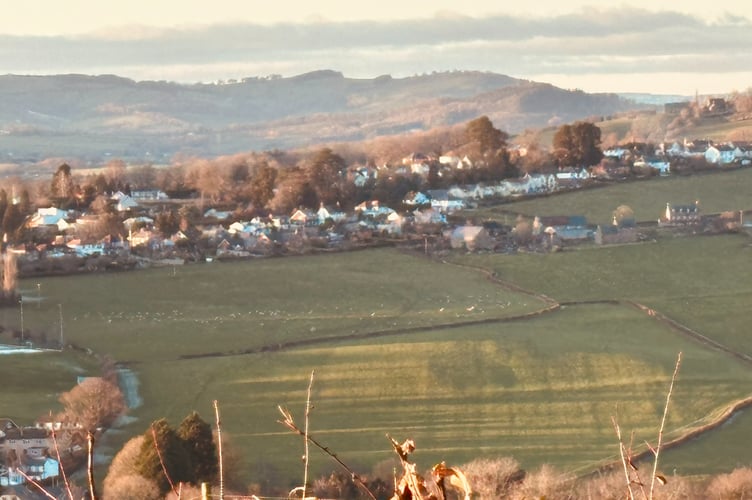
A series of public inquiry-style hearings will take place this summer to scrutinise the county’s proposed development plan — a process that could determine where thousands of new homes are built across the county for the next decade.
Independent inspectors will hold the hearings from 16 June to 16 July 2026 to examine the county’s proposed Replacement Local Development Plan (RLDP) led by inspectors appointed by Planning and Environment Decisions Wales, who will decide whether the plan prepared by Monmouthshire County Council is legally compliant and “sound”.
The examination timetable was pushed back by around three months earlier this year after inspectors asked the council to provide additional information.
In letters sent to the council, the inspectors requested further evidence on phosphate pollution affecting the River Wye and updated population and housing forecasts before the hearings could proceed.


The delay highlighted the growing scrutiny around development in Monmouthshire, particularly where environmental issues are involved.
Several proposed housing sites affecting Monmouth will be examined during the hearings including Dixton Road (270 homes), Drewen Farm (110 homes), Tudor Road (50) and Rockfield Road (land behind the Co-op).
Together these sites would bring around 490 new homes to the Monmouth area.
Inspectors will also examine housing proposals elsewhere in the county, including developments in Raglan, Burrium Gate in Usk, and Little Mill.
The proposed Dixton Road / Leasbrook development has become one of the most controversial elements of the plan.
The site lies on land overlooking the River Wye valley within the setting of the Wye Valley National Landscape, and critics say building hundreds of houses there could have a significant visual impact on the landscape surrounding Monmouth.
The development would also sit close to Dixton Mound, an important archaeological site dating back to the 12th Century.
Residents have also raised concerns about traffic congestion on the A40 and Dixton Road, pressure on local infrastructure, and potential impacts on water quality in the River Wye.
Environmental issues are expected to feature heavily during the hearings.
One session will examine whether the development plan complies with the Conservation of Habitats and Species Regulations, which require planning authorities to demonstrate that development will not damage internationally protected habitats.
Particular attention is likely to focus on the rare greater horseshoe bats from Newton Court SSSI.
Water quality in the River Wye Special Area of Conservation is also expected to be closely examined along with flooding and drainage issues.
Monmouth has experience severe flooding, and questions have been raised about whether additional housing could increase surface-water runoff and pressure on drainage systems, potentially worsening flood risks in low-lying areas of the town.
The hearings will allow inspectors to test the council’s evidence and question whether the proposed development sites are suitable and deliverable.
Residents who previously submitted comments during the consultation process are able to observe or take part in the hearings if they wish.
The deadline to register interest in attending is 12 noon on Friday 20 March 2026.
Comments
This article has no comments yet. Be the first to leave a comment.